
Foam vs Fibre Mattress: Which One Should You Choose?

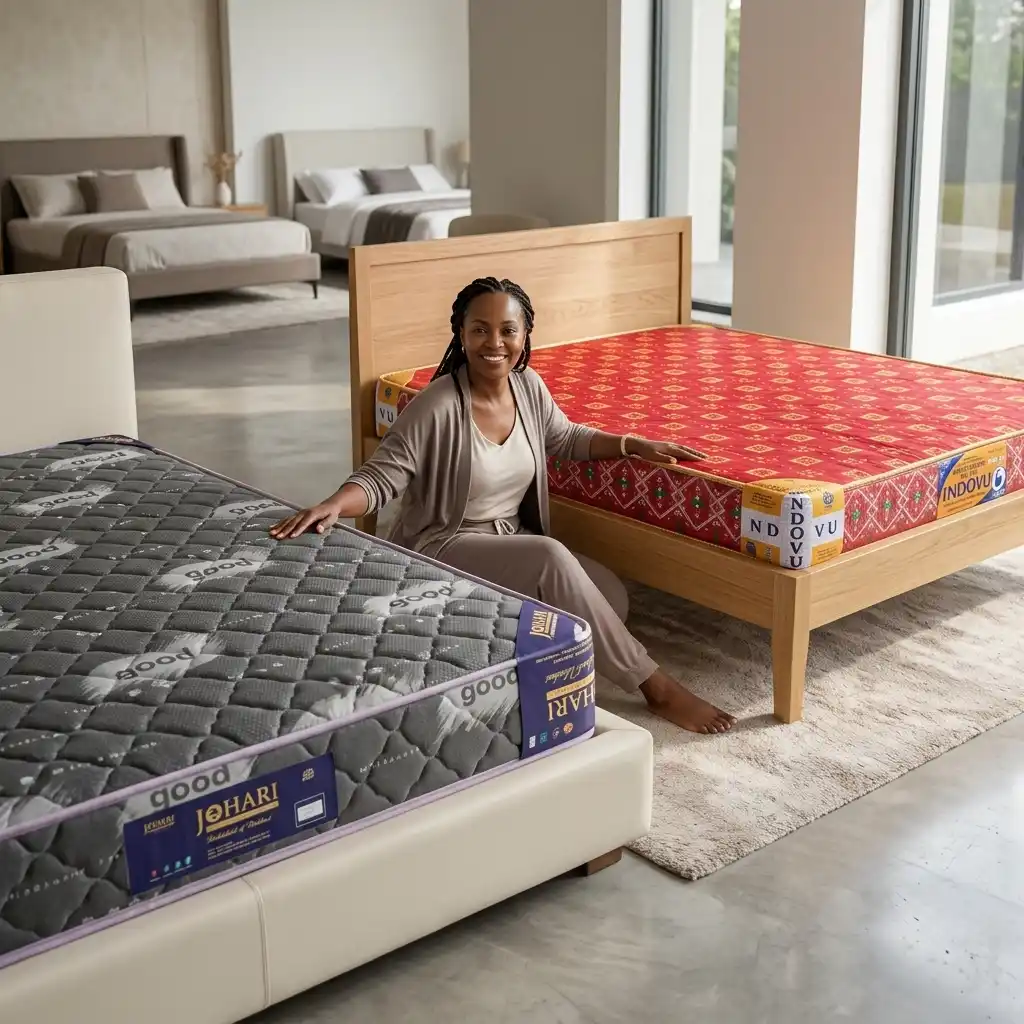

Foam vs Fibre Mattress: Which One Should You Choose?
Choosing the right mattress can significantly affect comfort, sleep quality, posture support, and long-term durability. While both foam and fibre mattresses offer unique advantages, the best option depends on your personal sleeping preferences, support needs, and budget expectations.
What Is the Difference Between Foam and Fibre Mattresses?
The primary difference between foam and fibre mattresses comes down to material composition, firmness, flexibility, density, and resistance to compression over time.
Fibre mattresses are generally firmer, denser, and more structured, while foam mattresses offer softer cushioning and better flexibility. Each mattress type is designed to satisfy different comfort preferences and sleeping styles.
Fibre Mattress
Firm, structured, orthopedic-friendly, and highly resistant to sinking or shape loss over time.
Foam Mattress
Softer, more flexible, lightweight, and designed to provide cushioned sleeping comfort.
Fibre Mattresses

Firm Support and Durability
Fibre mattresses are widely known for their firm support and excellent compression resistance. Unlike softer mattresses that may gradually sink after prolonged use, fibre mattresses tend to maintain their structure and firmness for longer periods.
This makes them ideal for people who prefer stable sleeping support instead of a softer “sinking” sensation while sleeping.
Some buyers also prefer fibre mattresses simply because they dislike waking up feeling like the mattress slowly accepted defeat overnight.
Orthopedic-Friendly Design
Due to their firmness, fibre mattresses are often recommended for orthopedic support and improved spinal alignment.
- Better spinal alignment during sleep
- Reduced body sinking over time
- Improved posture support
- More stable sleeping surface
For individuals experiencing back discomfort or those who prefer firmer sleeping conditions, fibre mattresses often provide stronger structural support.
Of course, “firm support” means different things depending on who you ask. Some people hear orthopedic and imagine luxury comfort. Others discover it feels slightly closer to sleeping with discipline.
Limited Flexibility
One noticeable characteristic of fibre mattresses is rigidity. Unlike foam mattresses, fibre mattresses maintain a more structured shape and do not fold easily.
- Minimal foldability
- Less convenient during transport
- Heavier structure
- Long-lasting firmness retention
Foam Mattresses
Softer and More Flexible Comfort
Foam mattresses remain among the most popular mattress choices in the Kenyan market because they are soft, lightweight, affordable, and widely available.
Foam naturally adapts more easily to body contours, creating a cushioned and softer sleeping experience that many buyers find comfortable.
For many people, this softer feel is simply more relaxing — especially after long days where the body has already negotiated enough challenges.
Different Density Options
One major advantage of foam mattresses is variety. Buyers can choose between different density levels depending on support preferences and budget.
- Medium-duty foam mattresses
- Heavy-duty foam mattresses
- High-density comfort options
- Different durability levels
Higher-density foam mattresses generally last longer and provide better support than lower-density alternatives.
Easier to Handle and Move
Foam mattresses are significantly easier to transport and reposition due to their flexibility and lighter structure.
- Easier transportation
- Better foldability
- Convenient for small apartments
- Ideal for temporary setups and bedsitters
Especially during house moves, flexibility suddenly becomes a very important mattress feature.
Foam vs Fibre Mattress Comparison
| Feature | Fibre Mattress | Foam Mattress |
|---|---|---|
| Firmness | Very firm | Soft to medium |
| Support | Strong orthopedic support | Moderate support |
| Compression Resistance | High | Moderate |
| Flexibility | Low | High |
| Weight | Heavier | Lighter |
| Durability | Long-lasting firmness | Depends on density |
| Comfort Feel | Firm and structured | Soft and cushioned |
| Foldability | Minimal | Easier to fold |
Which Mattress Is Better for Back Pain?
For people seeking firmer orthopedic support, fibre mattresses are often recommended because they help maintain spinal alignment and reduce excessive body sinking during sleep.
However, comfort remains highly personal. Some sleepers prefer the rigid support of fibre mattresses, while others prefer the balanced cushioning offered by high-density foam mattresses.
- Body weight
- Sleeping position
- Medical recommendations
- Personal comfort preference
Because unfortunately, mattresses do not come with universal settings.
Which Mattress Lasts Longer?
In most cases, fibre mattresses maintain their firmness for longer periods compared to lower-density foam mattresses.
High-density foam mattresses can still offer excellent durability while providing softer comfort and flexibility. However, lower-density foam options may soften faster over time with continuous daily use.
If long-term firmness retention is your top priority, fibre mattresses generally perform better in that category.
Final Verdict: Foam or Fibre?
Both mattress types offer valuable benefits depending on what matters most to you. Choose a fibre mattress if you prioritize firm orthopedic support and long-lasting structure. Choose a foam mattress if you prefer softer comfort, flexibility, and easier handling.
At the end of the day, the “best” mattress depends entirely on your sleeping style, support expectations, and comfort preference. Because sleep is surprisingly personal for something humans spend hours unconscious doing every single night.